 July 15, 2025
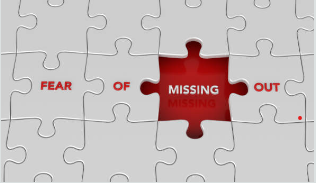
FOMO—Fear of Missing Out—has evolved into a powerful emotional trigger in today’s digital world. With online platforms offering constant access and social media showcasing curated lifestyles, consumers are driven by the anxiety of being left behind.
What is FOMO?
FOMO, or the Fear of Missing Out, describes the uneasy feeling that others are enjoying experiences or opportunities you are not part of. The term first appeared in the early 2000s but really took off with the growth of social media, which often showcases polished snapshots of people’s lives.
This feeling taps into basic human psychology—our instinct to compare ourselves to others and our need to feel included. As social beings, people naturally crave connection and belonging, so seeing others participate in exciting or exclusive moments can stir up a real sense of being left out.
FOMO shapes identities, habits, and choices. It dictates not only what people purchase, but how they connect, compete, and carve out their presence in the digital crowd.
Social Media: The New Shopping Companion
Social media amplify feelings of FOMO by constantly showing only the best moments in people’ lives. Whether it is sunny vacation photos or exciting career updates, scrolling through these posts people often compare their own everyday experiences and feel like they are missing out or falling behind.
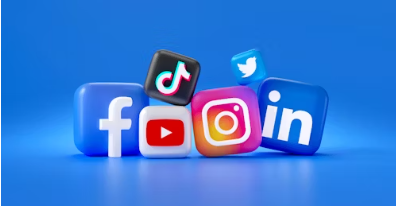
Social media also plays a big role in how people discover and choose new products. Apps like TikTok, Instagram, and YouTube are not just for entertainment—they highlight what’s popular and what others are buying. Seeing influencers and friends use certain products often makes people feel they should get them too.
The mention of “almost sold out” or “limited-time only” encourage quick decisions so shoppers do not miss out. When it looks like everyone is buying something, there is a strong urge to join in. This fear of being left out makes people follow trends and act fast.
The Power of Influencers and Limited-Time Offers
Influencers play a big part in making people feel like they might miss out. They often show products as special or hard to get. Their posts create excitement, and that buzz can lead to products selling out quickly. Offers like early access, short-term sales, and limited stock make people feel they need to act fast.
Promotional strategies like countdown clocks, “just launched” messages, and location-based deals to build urgency. These methods make people think the product is popular and rare, which encourages quicker buying decisions.
Gen Z: Still the Most FOMO-Driven
While FOMO influences most online shoppers, Gen Z feels its impact the most. This generation spends several hours a day online and is much more likely than older age groups to find new products through social media. Trends play a big role in shaping Gen Z’s choices. Buying something is not just about need, but also about showing their personality and feeling part of a group.
Mindful Shopping: A Shift Toward Intentional Choices
As FOMO continues to shape online behaviour, a section of consumers are beginning to recognize its influence and respond with more awareness. Many are learning to pause before buying, question the urgency, and reflect on whether a product truly adds value to their lives. This shift does not mean FOMO is disappearing—it is just being approached with a little more mindfulness. In an age of constant updates and instant decisions, the ability to step back is becoming a quiet act of self-care in this digital world.