
 August 3, 2025
In recent years, rural India has started to outpace urban areas as the key driver of consumer demand. Sales of fast-moving consumer goods (FMCG) are growing much faster in villages than in cities, and rural households are steadily narrowing the gap in spending compared to their urban counterparts. Rising incomes, better infrastructure, and easier access to digital platforms are reshaping how people in rural areas shop and consume.
Rural Demand Growing Faster Than Urban
Rural markets are leading the way in consumer goods growth. Sales volumes for everyday products like packaged foods, cleaning supplies, and personal care items are rising much faster in villages than in cities. This growth streak has continued for several quarters and shows no signs of slowing, making rural consumers a major focus for brands.
Home and Personal Care on the Rise
Alongside essential foods, categories like hygiene, grooming, and wellness are seeing strong growth in rural areas. Products such as soaps, detergents, shampoos, and skincare are becoming regular household purchases. This shift shows that rural buyers are not just focusing on basics but are also prioritizing comfort and quality of life.
Small Brands and Smaller Packs Are Winning
Local and regional brands, along with smaller pack sizes, are becoming increasingly popular in rural markets. Smaller packs fit the spending habits of many rural households, while local brands often offer affordable prices and cater to local tastes. This trend is helping smaller players grow faster than large, established companies.
Digital Shopping and Connectivity Expanding
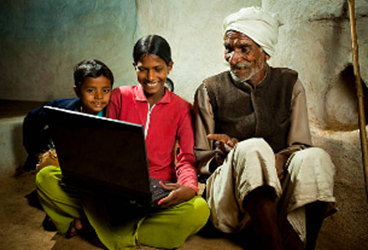
More villages now have better internet access, making online shopping and quick commerce possible even outside cities. Traditional neighbourhood shops are also using digital platforms to reach customers and offer doorstep delivery. As smartphones and internet access spread, digital commerce is expected to play a bigger role in rural buying habits.
Rising Incomes and Economic Stability
Better harvests, government support, and new job opportunities are helping rural incomes grow. This is giving people more confidence to spend on branded and packaged goods rather than relying only on unbranded local products. These income gains, combined with greater financial access, are making rural markets more resilient and reliable for consumer companies.
Conclusion
Rural India is no longer just a supporting market—it is becoming the center of growth for consumer businesses. With rising incomes, better access to digital platforms, and a growing preference for branded and value-driven products, rural consumers are set to shape the future of India’s consumer market. Companies that understand and adapt to these trends will be best placed to succeed in the years ahead.