 August 10, 2025
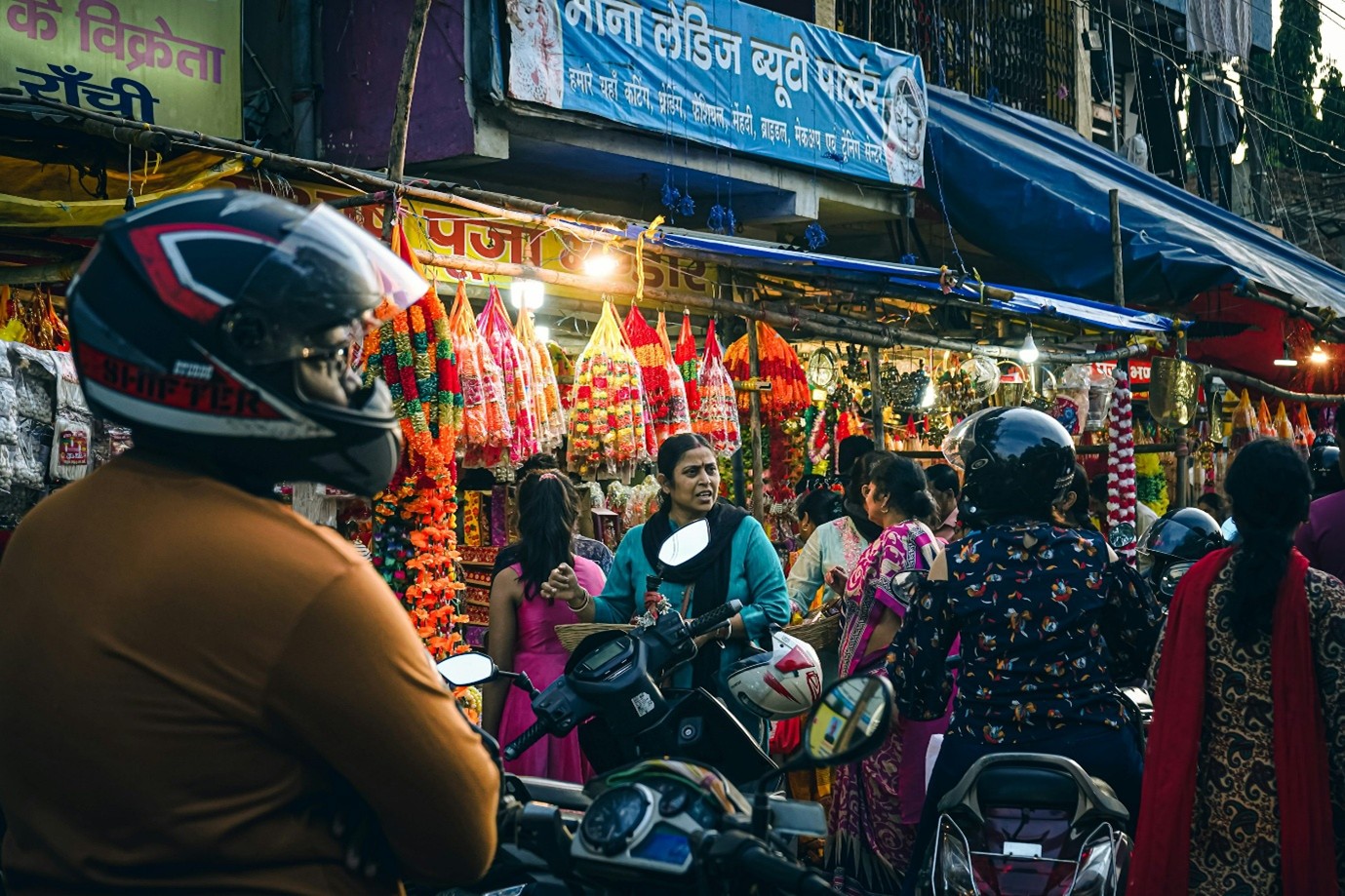
In India’s changing retail environment, consumers are no longer shopping only for basic needs. They are buying based on specific occasions like moments that hold personal, cultural, or emotional significance. Whether it is a wedding, a birthday, a festival, or a weekend outing, these occasions now play a central role in how and why people shop.
This shift in mindset is especially visible in smaller cities, where rising incomes and digital access are creating new buying patterns. Yet many brands still focus only on product features, price points, or broad demographics, missing the opportunity to align with the real reason people are making a purchase.
What Is Occasion-Based Buying?
Occasion-based buying refers to shopping that is driven by a particular moment or event. This can be anything from traditional celebrations like Diwali and Eid to personal milestones such as a child’s birthday, a new job, or an anniversary.
Occasions give consumers a reason to shop with emotion and intent. They are not just filling a need. They are marking a moment, expressing care, or creating a memory.
Why This Trend Matters
When a customer is shopping for an occasion, their mindset is different. They are more focused, more emotionally invested, and often more open to spending on quality, packaging, or personalisation.
This shift creates specific advantages for brands:
- Customers are more willing to explore new products that suit the moment.
- Average order values can increase during occasion-driven purchases.
- Messaging that ties into an occasion feels more relevant and timely.
- Repeat buying cycles can form around recurring moments like birthdays or annual festivals.
If a brand understands when its product fits naturally into a customer’s life, it can offer more meaningful value.

Common Mistakes Brands Make
Despite the growing importance of occasion-based shopping, many businesses overlook key details that could improve both engagement and conversion.
Here are a few common missteps:
- Only focusing on major festivals
Many brands plan for Diwali, Christmas, or Valentine’s Day, but ignore smaller, personal occasions like baby showers, housewarmings, or even monthly gifting moments. These can be just as powerful. - Using the same approach across all markets
A message that works in a metro city may not connect in a Tier II town. Regional customs, timing, and preferences can vary widely, especially around weddings and religious celebrations. - Missing emotional intent
When someone buys for a loved one, they are not just looking for function. They want something that feels thoughtful. Brands that focus only on product specs may miss this emotional layer. - Ignoring smaller cities
Tier II and III markets are now growth engines for retail. Shoppers in these cities are planning and celebrating more actively, and often welcome brands that understand their tastes and routines.
How Your Brand Can Respond
To make the most of occasion-based buying, your brand should begin with a shift in perspective. Instead of asking what you want to sell, ask when your customer would want to buy and why.
Here are some ideas to get started:
- Map relevant occasions
Identify the key moments your product fits into. For example, if you offer skincare, think about gifting seasons, travel kits, or bridal routines. - Create moment-specific offerings
Build collections or packages that suit the occasion. A “starter pack” for college students, a “thank-you kit” for teachers, or a “homecoming” gift box can feel highly personal. - Time your communication carefully
Plan campaigns around actual shopping behaviour. Many people shop weeks in advance of an event. Be ready early and avoid being too late. - Use past data for reminders
If a customer bought a gift in July last year, a gentle reminder this year, along with a curated suggestion, can increase loyalty and relevance.
Final Thoughts
Occasions are not just events. They are emotional touchpoints in a person’s life. When a brand recognizes this and responds with care and relevance, it moves from being a product seller to a part of someone’s story.
In a country as diverse and celebration rich as India, this matters. Especially in smaller cities where traditions remain strong and aspirations are rising, occasion-based buying is not just a trend, it is a major shift in how people relate to brands.
Now is the time to ask: when are your customers looking for meaning in their purchases? And is your brand showing up at the right moment?