 October 27, 2025
Most purchase decisions are not made on the basis of need, but the outcome of emotion. While consumers believe they buy based on logic, studies show that emotion quietly shapes most choices. Consumers tend to respond first with feeling and only afterward justify their decision with facts.
Emotion First Reason Later
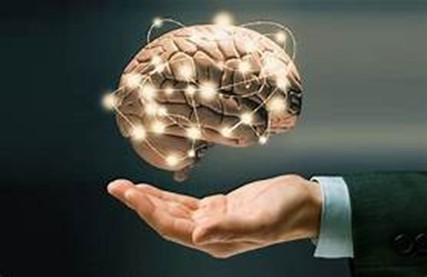
Neuroscience and behavioural research have long confirmed that the emotional brain leads the way. Nearly all shopping decisions begin subconsciously, driven by instinct, habit, or mood. The rational mind often steps in later to explain or defend what the heart has already decided.
That is why the same product can feel essential on one day and unnecessary the next. It is not the product that changes, but the emotional state of the shopper. In reality, buying is rarely about the product alone. It is about how people want to feel when they own it: reassured, confident, unique, or rewarded.

The Emotional Patterns Behind Buying
Shopper research highlights several common emotional states that guide consumer behaviour.
- Reassurance seekers look for validation before committing. Ratings, reviews, and expert opinions reduce fear of a wrong choice.
- Overwhelmed deciders face too many options and crave clarity or simplicity.
- Identity-driven buyers want to feel distinct or ahead of the curve. Exclusivity and innovation speak to them.
- Efficiency-focused shoppers see buying as a task to complete. A seamless, frictionless journey builds trust.
- Pleasure seekers buy for enjoyment or as a form of reward.
- Cautious repeaters stick to what is familiar to avoid regret.
Other emotions also influence behaviour. Pride drives people to buy products that enhance status or self-image. Guilt can nudge them toward responsible or compensatory purchases such as eco-friendly options. Fear, the fear of missing out, fuels urgency and impulse.
Why This Matters for Business
For brands and retailers, this insight changes everything. Facts and features are still important, but they work best when anchored in emotion. A product may solve a problem, but emotion determines which problem feels worth solving.
Businesses that connect with emotion outperform those that rely solely on logic. The most successful brands design experiences that align with their audience’s emotional states.
- Simplify decision-making for anxious shoppers.
- Emphasise exclusivity and belonging for those seeking individuality.
- Use clear, trustworthy language for the risk-averse.
- Add energy and delight for those shopping for fun.
Even post-purchase communication matters. A timely thank-you, a sense of community, or reassurance that the customer made a smart choice can turn satisfaction into loyalty.
What Shoppers can Learn Too
Awareness of emotional triggers helps not only businesses but consumers themselves. Recognising when a purchase is driven by emotion such as excitement, boredom, pride, or fear encourages more mindful decisions. A moment of reflection before buying and asking “what am I feeling right now” can turn impulse into intention.
The Takeaway
People buy to feel secure, capable, or inspired, not just to own something new. For brands, the real challenge is to understand those feelings and design for them. For shoppers, it is to notice them. When emotion is understood rather than ignored, both sides win. The buyer feels good, and the business earns not just a sale but trust.