 October 15, 2025
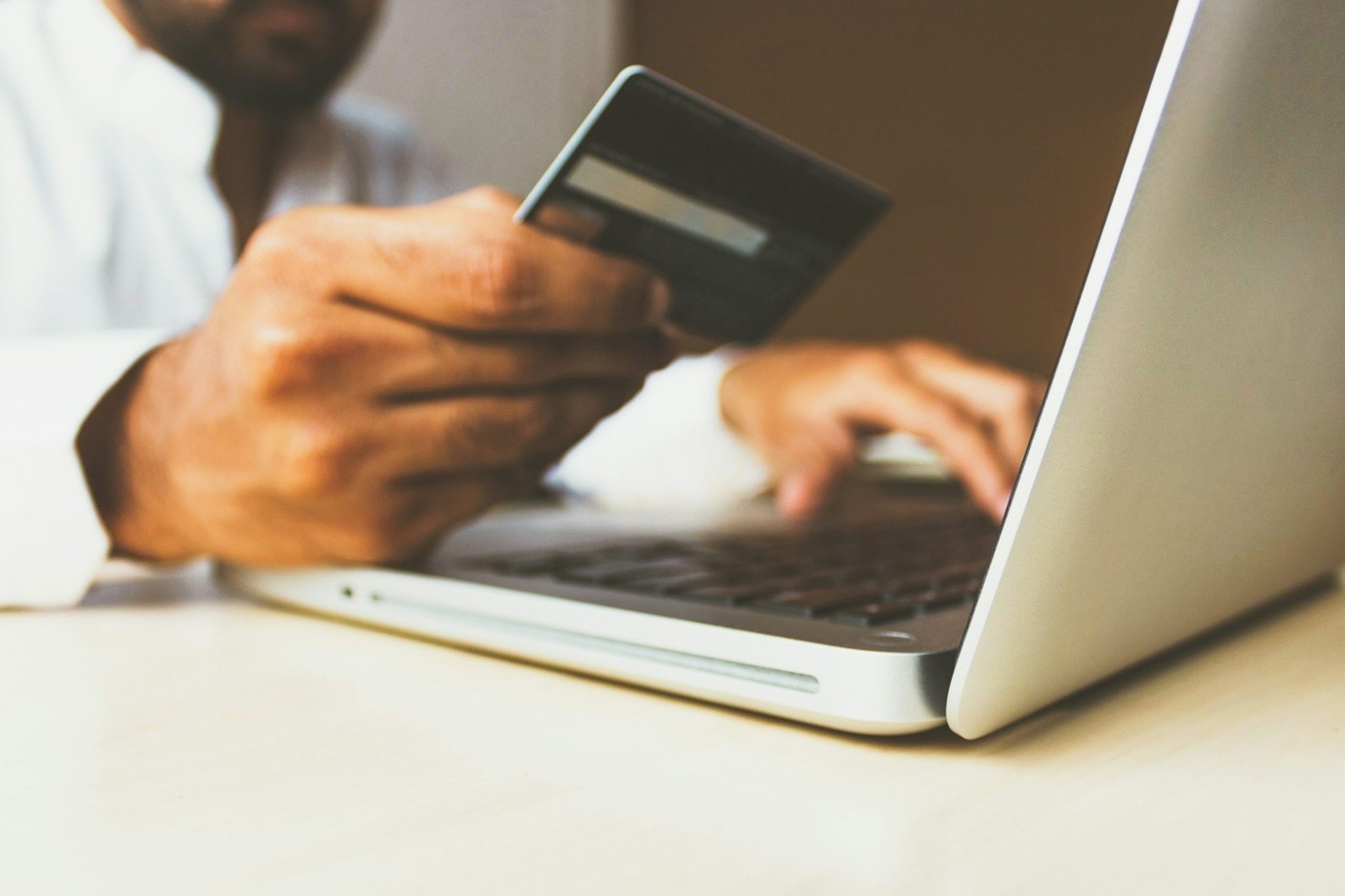
There was a time when the difference between shopping online and shopping in a store was very clear. One meant walking through aisles, speaking to a salesperson, touching the product, and carrying it home. The other meant sitting behind a screen, scrolling through pictures, reading reviews, and waiting for a package to arrive. But over the years, the line separating these two worlds has quietly disappeared.
The customer’s expectations have changed, and retail has evolved to match them. Stores have started acting like digital platforms, while websites are learning to behave like real-world spaces. There is a fundamental shift in how people experience brands.
The Physical Store is Now a Digital Experience
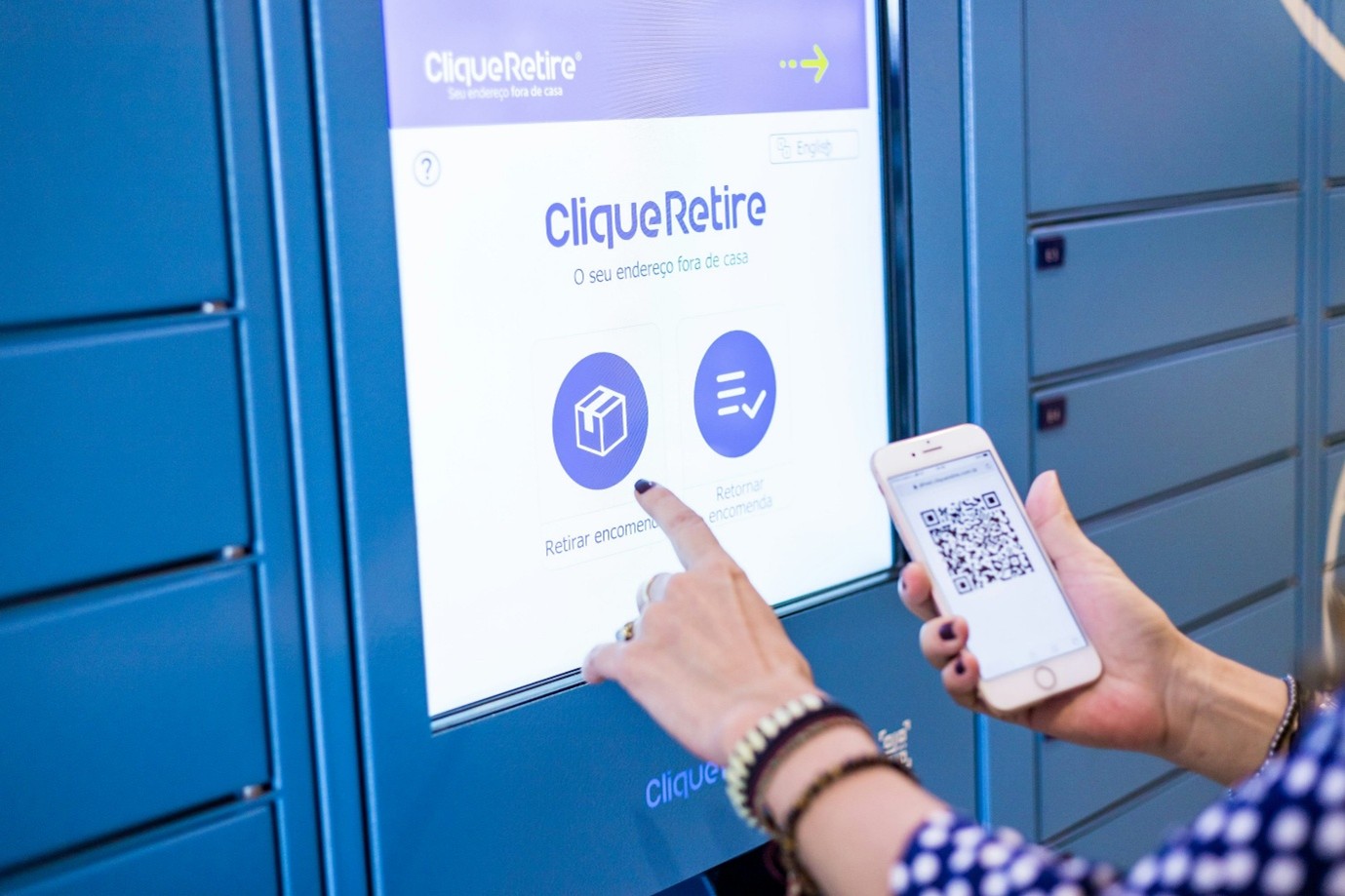
Walk into a store today and you will notice how familiar it feels, almost like a website you can touch. There are QR codes beside the products, interactive screens that show availability, and checkout systems that don’t require you to wait in line. Every part of the space seems connected to data in the background, creating a seamless loop between what you see on your phone and what you see on the shelf.
Retailers have realized that people do not come into stores just to buy something. They come to explore, to validate what they saw online, to compare and experience. The store is no longer just a physical point of sale. It has become an interface that merges information, design, and service. When a shopper moves between their phone and the store, they shouldn’t feel a difference. That continuity is what modern retail is built on.
Online Shopping Feels More Human Than Ever
E-commerce has evolved from being a functional process to a personal experience. Websites now remember what you like, how you browse, and what you have purchased before. They greet you by name and recommend what you might want.
The technology that once made online shopping transactional is now being used to make it emotional. Artificial intelligence is not just about efficiency but also empathy. The goal is to make a digital experience feel reassuring and intuitive, the way a familiar store might. You may be shopping through a screen, but the interaction feels alive and considerate.
The Customer No Longer Thinks in Channels
Consumers today do not divide their decisions between online and offline. They simply choose the path that feels easiest at the moment. They might discover a product on social media, try it in a store, and place the final order online. Or they might do it the other way around.
What matters now is continuity. A brand must feel the same wherever the customer meets it. Pricing, promotions, and service standards must stay aligned across every channel, because even a small inconsistency stands out. The new loyalty driver is not discounting or advertising but consistency. When customers trust that a brand will behave the same everywhere, they stay.
Why Businesses Are Leaning into the Blur
From an operational point of view, this blending of channels is not just a matter of customer experience but also makes financial sense. When online and offline systems work together, costs drop and efficiency improves. Stores can serve as local hubs for faster deliveries and easy returns. Data collected from physical and digital interactions can feed a single customer view, helping businesses forecast better and personalize communication.
Marketing investments also become smarter. When every interaction is connected, brands can track which campaigns lead to actual conversions, both online and offline.
The Future Is About Experience Not Format
The most successful retailers are no longer asking whether the future is online or offline. They are asking how the customer feels at every moment of the journey. The real competition is no longer about channels but about experience.
Offline retail has borrowed the intelligence and efficiency of digital platforms, while online retail has absorbed the warmth and reassurance of physical spaces. What matters is how it feels to buy, how effortless and natural the process seems, and how confident the customer feels after it ends. The boundaries have dissolved, and what remains is a unified experience of retail. The store and the screen are now parts of the same story, and the brands have to understand this first to be ahead in the race.